Collection of Various Abstract Symbols Review
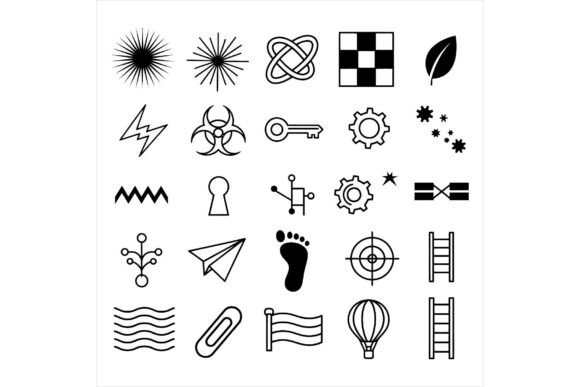
As a designer who has spent years translating digital files into tangible stitched goods, I approach every new machine embroidery design with a mix of excitement and skepticism. The market is flooded with generic patterns, but occasionally, a collection arrives that sparks genuine creative possibilities. That was my initial reaction when I opened the Collection of Various Abstract Symbols. At first glance, these Illustrations feel less like rigid templates and more like a visual vocabulary for modern makers. They offer a mood that is contemporary, slightly edgy, yet versatile enough to soften up for a nursery or sharpen up for streetwear.
The true test of any embroidery file, however, isn't how it looks on a screen; it is how it behaves under the needle. I decided to put this collection through its paces by planning a real-world project: a series of limited-edition canvas tote bags for a local boutique client. The goal was to create a product line that felt curated and artistic, moving away from the typical floral or typographic designs that dominate Etsy listings. I needed symbols that would stand out against the natural weave of the fabric without getting lost in the texture.
Visual Impact and Design Personality
The Collection of Various Abstract Symbols immediately stood out because of its clean lines and balanced negative space. In the world of custom apparel, clarity is king. Many abstract designs suffer from being too busy, resulting in a muddy mess once the thread hits the fabric. These symbols, however, maintain their integrity even at smaller scales. The shapes are distinct, relying heavily on bold outlines and strategic use of fill stitch rather than excessive detail.
When I visualized these designs on a heavy cotton tote bag, I could see how the geometric nature of the symbols would interact with the fabric grain. Unlike organic shapes that might warp on textured surfaces, these abstract forms have a structural rigidity that translates well to stitching. The visual personality is neutral enough to work with a wide palette of thread colors, yet unique enough to serve as a brand identifier for a small shop. For an Etsy seller looking to differentiate their inventory, having a set of cohesive, non-traditional motifs is a significant advantage.
Performance in Real-World Embroidery Projects
Thinking about execution, I considered how these designs would perform across different applications. For sweatshirt embroidery, the density of the fill areas needs to be just right to prevent puckering on the fleece blend. The Collection of Various Abstract Symbols appears to have a moderate stitch count, which is ideal for preventing the stiffness often associated with large, dense logos. This makes them excellent candidates for personalized gifts where comfort is a priority, such as baby onesies or lightweight hoodies.
I also evaluated their potential for embroidered patches. The sharp edges and defined corners suggest they would hold up beautifully with a satin border, creating a professional finish suitable for hats or denim jackets. The versatility extends to home decor as well. Imagine a kitchen towel or a pillow cover featuring one of these symbols in a monochromatic scheme. It instantly elevates a basic household item into a piece of functional art. For holiday embroidery, these abstract shapes can be reinterpreted with seasonal colorways, offering a fresh alternative to traditional holiday icons.
Considerations for Fabric and Placement
While the designs are robust, there are specific scenarios where caution is required. If you plan to use these on very thin or stretchy fabrics, such as jersey knit t-shirts, the stitch density might cause some distortion if not stabilized correctly. Always test the design on scrap fabric first. The interplay between the running stitch details and the base material is critical. On dark fabrics, ensure the background fill is dense enough to hide the material underneath, or consider using an applique design technique if the file allows for it.
Curved surfaces like caps present another challenge. Some of the larger symbols in the Collection of Various Abstract Symbols may require slight resizing or reorientation to fit the cap panel without distorting the geometry. Similarly, if you are working with layered garments or thick materials like denim jackets, check the hoop size compatibility. You want to avoid placing the design over seams where the stabilizer cannot lay flat, as this can lead to skipped stitches or uneven tension.
Enhancing Product Value and Brand Trust
For creative entrepreneurs, the choice of design assets directly impacts perceived value. A well-executed handmade product signals quality. When a customer holds a tote bag with a crisp, thoughtfully placed abstract symbol, they perceive it as a boutique item rather than a mass-produced good. The Collection of Various Abstract Symbols offers that level of polish. It helps build brand consistency across a range of products, from boutique branding items to small shop merchandise.
In the competitive landscape of commercial embroidery, standing out is essential. Using unique design assets like these can increase buyer engagement on platforms like Instagram or Pinterest. High-quality printable mockups featuring these symbols can showcase your vision before the product is even made, driving pre-orders and building anticipation. Furthermore, the timeless nature of abstract art means these designs won't look dated in a year, ensuring long-term relevance for your catalog.
Practical Designer Notes for Success
To get the best results from this collection, follow these practical steps:
- Test First: Always run a test on scrap fabric that matches your final project's weight and texture. Check for any shifting or registration issues.
- Check Contrast: Review thread colors against your fabric. Abstract symbols rely on contrast to define their shape; low contrast can make them disappear.
- Verify Licensing: Before selling finished items or digital embroidery files, confirm the licensing terms. Ensure you are covered for commercial use if you plan to sell the finished product.
- Stabilize Properly: Use the appropriate stabilizer for your fabric type. Cut-away stabilizers are often better for stretchy materials to support the design over time.
- Mockup in Black and White: Test the design in grayscale to see if the visual hierarchy holds up without color cues. This helps identify any weak points in the composition.
The Collection of Various Abstract Symbols is a strong addition to any designer's toolkit. It bridges the gap between artistic expression and technical feasibility. Whether you are creating a personalized gift for a friend or launching a new line of craft business items, these illustrations provide a solid foundation. By paying attention to the nuances of fabric, stabilization, and placement, you can transform these digital files into high-quality, professional-grade embroidery that resonates with customers and stands the test of time.