Chrismast Collection Illustration Review
As a designer who has spent years translating digital files into tangible thread on fabric, I approach every new machine embroidery design with a mix of excitement and skepticism. The market is flooded with generic patterns that look great on a screen but fall apart under the needle. When I first opened the file for Chrismast Collection Illustration, my immediate goal was to determine if this piece belonged in my professional library or if it was just another fleeting trend. After reviewing the layout, stitch structure, and potential applications, here is my honest assessment of how this embroidery file performs in real-world scenarios.
First Impressions: Mood and Visual Weight
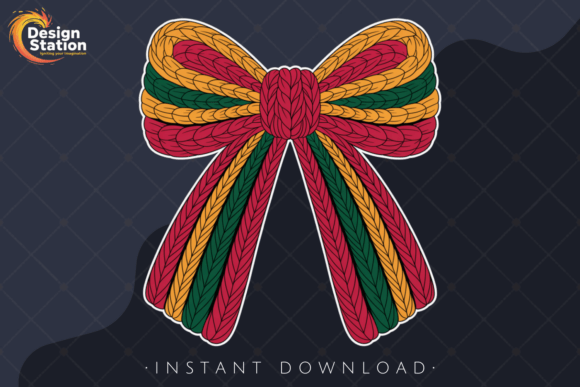
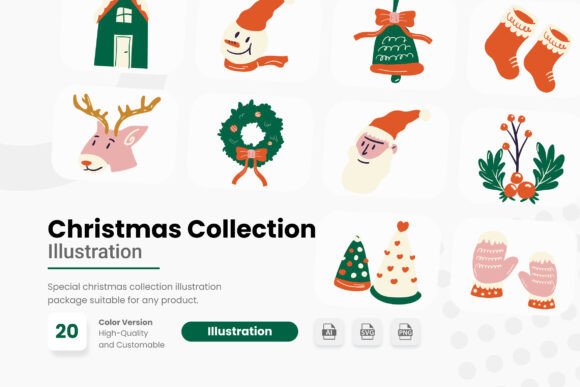
The initial visual impact of Chrismast Collection Illustration is warm and inviting, capturing the essence of the holiday season without feeling cluttered. Unlike many designs that rely on excessive detail which can get lost during stitching, this illustration maintains a clean silhouette. The balance between negative space and filled areas suggests a thoughtful approach to stitch density. In the context of Illustrations meant for embroidery, clarity is king. If a design is too busy, the fill stitch can become muddy, especially on textured fabrics. Here, the lines are distinct, promising a crisp finish even when scaled down slightly.
The mood evoked is nostalgic yet modern, making it versatile enough for both traditional holiday embroidery projects and contemporary boutique branding. It feels like a design that could sit comfortably on a high-end linen tote bag or add a touch of charm to a child's sweater. This versatility is exactly what I look for when curating assets for a craft business.
Real-World Application: From Screen to Stitch
To truly understand the value of Chrismast Collection Illustration, I need to visualize it on actual products. Imagine preparing a custom embroidered tote bag for a local craft fair. The sturdy canvas of the bag provides an excellent base for this design. Because the illustration has defined edges, it would likely hold up well against the weave of the fabric, creating a professional finished product that customers would appreciate.
I also see strong potential for sweatshirt embroidery. During the holidays, personalized gifts are in high demand. Placing this design on the chest of a cozy fleece sweatshirt creates an instant focal point. The contrast between the soft texture of the fleece and the raised dimension of the satin stitch borders (if utilized in the file) would add significant tactile appeal. For an Etsy seller looking to boost their shop's visibility, offering items with this specific aesthetic could drive engagement, as it strikes a balance between festive cheer and understated elegance.
Beyond apparel, consider the application on home goods. A kitchen towel or an apron featuring Chrismast Collection Illustration transforms a utilitarian item into a decorative piece. The durability of the design is crucial here, as these items face frequent washing. If the thread colors are chosen correctly to match the fabric background, the design will remain vibrant wash after wash, enhancing the perceived value of the handmade item.
Considerations for Specific Projects
- Custom Apparel: Ideal for t-shirts and hoodies where a medium-sized hoop can accommodate the full design without distortion.
- Baby Embroidery: The soft lines make it suitable for baby blankets or onesies, provided the stabilizer is appropriate for stretchy knit fabrics.
- Embroidered Patch: This illustration would work beautifully as a detachable patch, allowing for creative placement on denim jackets or backpacks.
- Pillow Covers: The symmetrical nature of the design ensures it looks balanced when centered on square or rectangular cushions.
Navigating Challenges: Where Caution is Needed
While Chrismast Collection Illustration shows great promise, no design is universally perfect. As a reviewer, I must highlight where caution is necessary to ensure the best results. One area of concern is small hoop sizes. If you attempt to fit this entire illustration into a 4x4 inch hoop, you risk compressing the details. The running stitch outlines might become indistinct, and the overall image could lose its intended character. Always check the recommended dimensions before committing to a project.
Fabric choice is equally critical. On thin or highly stretchy fabrics, such as jersey or silk, the tension required for this design could cause puckering. You will need to use a heavy-duty stabilizer and potentially tear-away backing to maintain the integrity of the garment. Additionally, dark fabrics require careful consideration of thread colors. Without a proper underlay, lighter colors in the design may not pop, resulting in a dull appearance.
Curved surfaces, like caps, present another challenge. The flat nature of an illustration does not always translate well to a rounded surface. If the design contains straight lines or sharp angles, they may appear distorted when stitched onto a cap. In such cases, it is better to use the design on the front panel of a flat-backed hat or opt for a different shape altogether.
Impact on Brand and Customer Trust
For small shop owners and creative entrepreneurs, the quality of your design assets directly influences customer trust. Using a polished digital embroidery file like Chrismast Collection Illustration signals professionalism. Customers buying personalized gifts expect a high level of craftsmanship. If the stitching is clean, the colors are vibrant, and the design sits flat on the fabric, they are more likely to return and recommend your services.
This design contributes to brand consistency by offering a cohesive look across various products. Whether you are selling custom apparel, handmade products, or printable mockups for other sellers, having a reliable design asset allows you to scale your offerings without compromising quality. It enhances the giftability of your items, making them stand out in a crowded marketplace.
Practical Designer Notes for Success
Before integrating Chrismast Collection Illustration into your workflow, follow these practical steps to ensure success:
- Test on Scrap Fabric: Never skip the test run. Stitch the design on a scrap piece of the same fabric you plan to use to check for alignment and density issues.
- Review Stitch Density: Inspect the file settings to ensure the fill stitch isn't too dense, which can stiffen the fabric, or too sparse, which can show the background.
- Confirm Hoop Size: Verify that your machine's hoop can accommodate the design without cropping important elements.
- Check Thread Contrast: Use a color chart to ensure the thread colors provide sufficient contrast against your chosen fabric.
- Use Proper Stabilizer: Select a stabilizer that matches the weight and stretch of your material to prevent shifting during stitching.
- Licensing Check: Confirm the licensing terms before selling finished items or using the design for commercial purposes. Ensure you have the right to sell commercial embroidery products derived from this file.
In conclusion, Chrismast Collection Illustration is a robust addition to any designer's toolkit. It offers a blend of aesthetic appeal and functional reliability that suits a wide range of embroidery projects. By understanding its strengths and limitations, you can leverage this design asset to create beautiful, high-quality products that resonate with your audience. Whether you are a hobbyist making gifts for family or a business owner scaling your inventory, this design has the potential to elevate your work.