Reviewing Winter SVG Icon Clipart for Embroidery
As a designer who has spent years translating digital concepts into thread, I approach every new asset with a mix of curiosity and caution. We have all been there: you find a cute graphic online, imagine it perfectly stitched on a cozy sweatshirt, only to realize later that the lines are too thin for a satin stitch or the details vanish into the fabric texture. Today, I am taking a close look at Winter SVG Icon Clipart to see if it holds up under the needle. This is not just about whether it looks good on a screen; it is about how it performs as a functional machine embroidery design in real-world applications.
First Impressions and Visual Personality
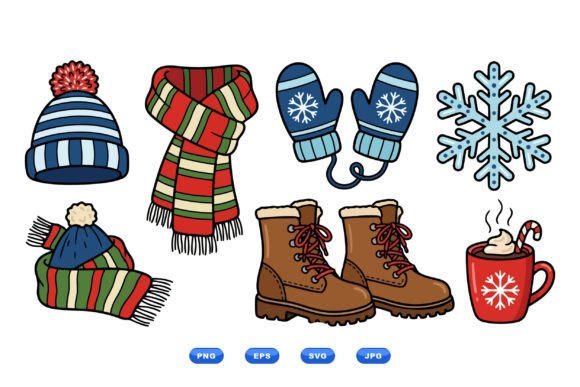
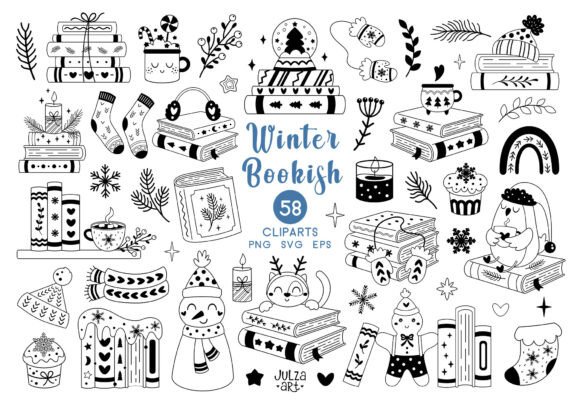
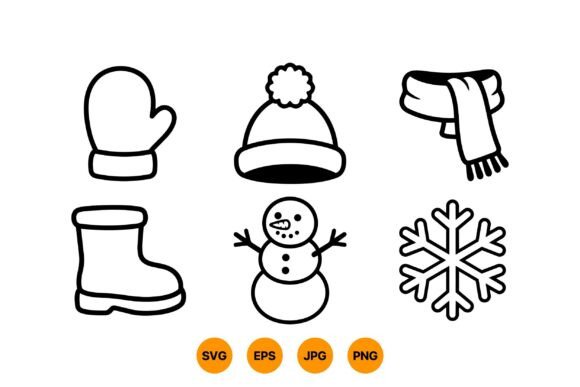
The first thing I notice about this set of Illustrations is its clean, minimalist aesthetic. Winter themes can often become cluttered with excessive snowflakes, intricate icicles, or complex landscapes that are nightmares to digitize. However, this clipart leans into simplicity. The shapes are bold and recognizable, which is exactly what you want when working with thread. Thread has volume; it behaves differently than ink. A design that looks delicate on a monitor can look messy if the lines are too close together.
The mood here is crisp and modern. It feels less like a traditional, ornate holiday card and more like contemporary boutique branding. This visual personality makes it versatile. It does not scream "cheap souvenir." Instead, it suggests a thoughtful, curated handmade product. For an embroidery project, this clarity is crucial. It means the design will likely translate well into standard stitch types without requiring excessive manipulation to fix overlapping elements.
Real-World Application: The Custom Tote Bag Test
To truly evaluate Winter SVG Icon Clipart, I imagined a specific scenario: creating a limited run of canvas tote bags for a local winter market. Canvas is a sturdy fabric, but it has a visible weave. If a design is too detailed, the threads can sink into the gaps, losing definition. I visualized placing one of these icons centrally on a natural cotton tote. Because the icon features strong outlines and open spaces, it would work beautifully with a combination of satin stitch for the borders and a light fill stitch for any solid areas.
This kind of application highlights why simplicity wins in embroidery. A customer browsing an Etsy shop or a craft fair booth needs to recognize the design from three feet away. Complex, tiny details get lost. This clipart’s bold structure ensures that the motif remains legible even when scaled down for a smaller item or scaled up for a blanket. It creates immediate visual appeal, which drives buyer engagement and trust in the quality of your handmade product.
Versatility Across Products
Beyond tote bags, this design asset shines in several other categories. For custom apparel, such as a heavyweight fleece sweatshirt, the icon would sit nicely on the left chest area. The lack of excessive density means the garment will remain soft and wearable, rather than becoming stiff and board-like under a heavy patch of stitching. For baby embroidery, such as a onesie or a burp cloth, the simple shapes are safe and charming without being overwhelming. Parents appreciate designs that are gentle and durable, especially since baby items endure frequent washing.
I also see potential for embroidered patches. Patches require designs that can be cut cleanly around the edges. Since this clipart uses clear, closed shapes, it would be ideal for creating iron-on or sew-on badges. You could use a running stitch for a subtle outline or a dense satin border for a premium finish. Additionally, for home decor like pillow covers or kitchen towels, the winter theme adds seasonal flair without feeling dated after January 1st. It is subtle enough to stay out until late winter.
Where to Exercise Caution
While the design is strong, no digital file is universally perfect without adjustment. Here are a few scenarios where you need to be careful. First, consider hoop size constraints. If you are working with a small 4x4 hoop, ensure you scale the icon appropriately so that the stitch length does not become too short, which can cause thread breaks. Conversely, on very large hoops, ensure the design does not look sparse.
Textured fabrics present another challenge. If you are stitching on a thick terry cloth towel or a fuzzy sweater, the finer details of the icon might get lost. In these cases, increasing the stitch width slightly or choosing high-contrast thread colors can help maintain visibility. Also, be mindful of curved surfaces like caps. A wide, horizontal icon might distort on the front panel of a baseball cap. Always test on a similar curved surface if possible, or adjust the placement to the side panel where the fabric is flatter.
Dark fabrics require special attention to contrast. A white or light gray thread on navy blue works well, but avoid low-contrast combinations like dark green on black. The clarity of the shape relies on the eye distinguishing the thread from the background. Always do a test stitch on scrap fabric of the same type and color before committing to your final finished product.
Technical Considerations for Designers
Before you load this into your machine, there are practical steps to take. First, check the file format. Ensure you have the correct digital embroidery file type for your specific machine brand, whether it is PES, DST, JEF, or another format. While SVGs are vector-based and great for cutting machines, embroidery machines require specific stitch data. If this product is sold primarily as an SVG for cutting, you may need to digitize it yourself or convert it using specialized software, checking the stitch density manually.
If it is provided as a pre-digitized embroidery file, inspect the stitch order. Good digitizing will minimize jumps and trims. Look at the underlay stitches; they should provide a stable foundation without adding unnecessary bulk. Use a proper stabilizer—cut-away for stretchy knits and tear-away for stable wovens—to prevent puckering. Puckering is the quickest way to ruin the professional look of a small shop product.
Also, consider the commercial aspect. If you are an Etsy seller or run a craft business, verify the license terms. Can you use this design on items you sell? Are there limits on the number of units? Understanding these boundaries protects your business and ensures you are respecting the creator’s rights. Using licensed assets correctly builds long-term sustainability for your brand.
Final Verdict on Value and Usability
In the world of commercial embroidery and handmade goods, time is money. A design that requires hours of troubleshooting is not worth it, no matter how cute it is. Winter SVG Icon Clipart offers a balance of aesthetic charm and technical feasibility. It reduces the risk of stitching errors because of its straightforward geometry. It enhances the perceived value of your products by looking intentional and polished.
For those creating personalized gifts or holiday merchandise, this design serves as a reliable foundation. It allows you to focus on execution—choosing the right thread sheen, the perfect fabric, and precise hooping—rather than fighting against a complicated digital file. Whether you are making a single gift for a friend or stocking inventory for a winter pop-up shop, this clipart integrates smoothly into the workflow. It respects the limitations of the medium while maximizing visual impact. That is the hallmark of a useful design asset.