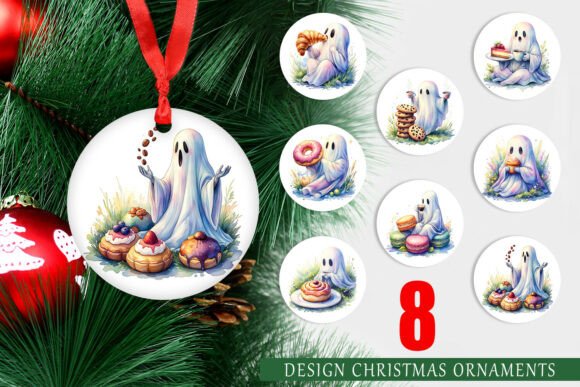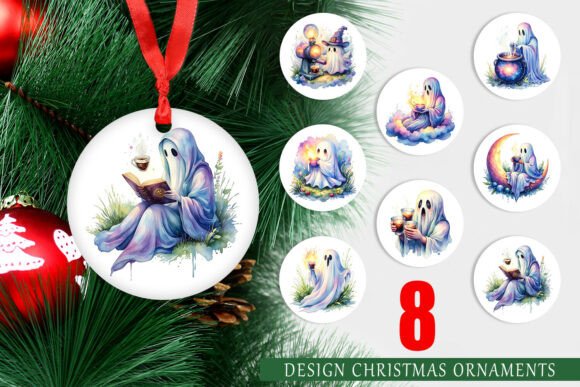
Reviewing the Watercolor Musical Ghost Ornament PNG
As a designer who has spent countless hours digitizing and testing embroidery files, I have learned that not every pretty image translates well to thread. When I first pulled up the Watercolor Musical Ghost Ornament PNG, my initial reaction was one of cautious optimism. The aesthetic is undeniably charming—a soft, ethereal blend of spooky and sweet that fits perfectly into the current trend of whimsical Halloween decor. However, looking at a digital illustration is vastly different from watching a needle punch through fabric. My job here is to bridge that gap, evaluating whether this design holds up under the mechanical realities of machine embroidery.
First Impressions and Visual Mood
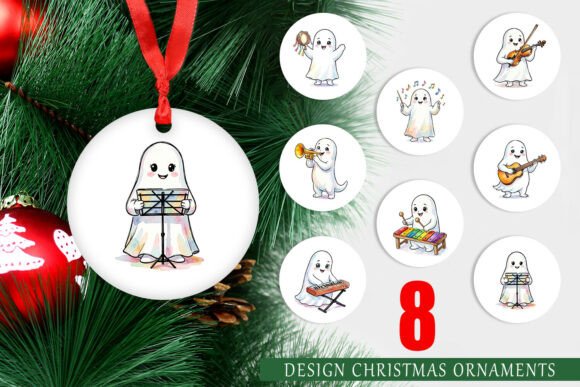
The visual personality of this piece is gentle. Unlike traditional horror-themed graphics that rely on stark blacks and jagged lines, this design utilizes a watercolor effect. For an embroidery designer, this presents both an opportunity and a challenge. The mood is nostalgic and cozy, making it ideal for customers who want holiday decor that feels handmade and warm rather than scary. The layout appears balanced, with the musical notes flowing naturally around the ghost figure, suggesting movement without creating chaotic stitch paths. This kind of visual flow is crucial because it dictates how the eye travels across the finished product, ensuring the viewer appreciates the entire composition rather than getting stuck on one dense area.
Real-World Application: The Custom Tote Bag Test
To truly understand the value of this asset, I imagined a specific real-life scenario: preparing a custom embroidered tote bag for a local boutique’s autumn collection. Tote bags are a staple for Etsy sellers and small shop products because they offer a large, flat canvas. In this context, the Watercolor Musical Ghost Ornament PNG shines. The whimsical nature of the ghost pairs beautifully with canvas or heavy cotton, fabrics that can support moderate stitch density without puckering.
If I were stitching this onto a natural-colored linen tote, I would focus heavily on thread selection. Since the original file is a PNG illustration, it likely relies on color blending. In embroidery, we achieve this through careful thread colors choices. I would select variegated threads or closely related shades of pastel blue, lavender, and soft white to mimic the watercolor bleed. This approach transforms a standard embroidery project into a high-end handmade product that commands a higher price point. Customers are drawn to items that look like art, and this design has the potential to deliver that artistic flair if executed with precision.
Performance Across Different Products
Beyond tote bags, this design has versatility. It would make an adorable addition to sweatshirt embroidery, particularly on crewnecks in heather grey or muted pastels. The soft edges of the watercolor style complement the fuzzy texture of fleece or French terry cloth. For baby embroidery, such as a nursery blanket or a onesie, the gentle theme is perfect. Parents often shy away from aggressive imagery, but a musical ghost is playful and safe. However, when working with smaller items like baby clothes, scale becomes critical. You must ensure the design is resized appropriately so that the details do not become lost or overly dense.
For holiday embroidery gifts, this design could be adapted into an embroidered patch. Patches are trending among craft business owners because they allow for pre-production and easy application. If you choose to create patches, pay attention to the border. A satin stitch border can help contain the softer fill stitches of the ghost, giving the patch a clean, professional edge that withstands washing and wear.
Technical Considerations and Fabric Challenges
While the design is visually appealing, there are areas where caution is necessary. Watercolor effects often imply subtle gradients. In machine embroidery, gradients are created using fill stitch patterns and color changes. If the original PNG has very fine details or tiny speckles, these might not translate well to thread. Tiny isolated stitches can pull out during washing or cause the fabric to pucker. Therefore, I recommend inspecting the digitized version closely. If you are converting this PNG yourself or working with a digitizer, ensure that small details are either removed or consolidated into larger shapes.
Fabric choice is another pivotal factor. On textured fabrics like toweling or heavy wool, the finer details of the musical notes might get lost. Conversely, on thin fabric or stretchy materials like jersey knits, the stitch density must be managed carefully. High density can cause the fabric to tunnel or distort. Using a proper stabilizer is non-negotiable here. For stretchy fabrics, a cut-away stabilizer provides the necessary support, while a tear-away might suffice for stable wovens like cotton twill used in custom apparel.
Dark fabrics present a unique challenge for light-colored watercolor designs. If you plan to stitch this on a black hoodie or navy tote, you may need to use an underlay or even consider an applique design technique where a piece of light fabric is stitched down first, and the ghost is embroidered on top. This ensures the colors pop and the design remains visible, maintaining the intended visual appeal.
Enhancing Brand Value and Customer Trust
From a business perspective, the quality of your design assets directly impacts customer trust. A clean, well-executed embroidery signals professionalism. When buyers see a crisp, well-balanced ghost ornament on a personalized gift, they perceive higher value. This perception encourages repeat business and positive reviews, which are vital for any Etsy seller or creative entrepreneur. The uniqueness of the watercolor style helps your brand stand out in a saturated market of generic clip-art embroidery.
Furthermore, using this design in printable mockup previews can boost online engagement. Showcasing the design on various products—like pillow covers, kitchen towels, or caps—helps customers visualize the end result. This transparency reduces hesitation and increases conversion rates. It shows that you have thought through the practical application of the art, not just its digital appearance.
Practical Designer Notes for Execution
Before committing to a full production run, always test the design on scrap fabric that matches your final product. Check the stitch density to ensure it isn’t too heavy for the material. Verify the hoop size requirements; while this design seems compact, confirm it fits within your standard hoops without requiring excessive re-hooping, which can lead to alignment issues.
Inspect the small details, particularly the musical notes. Are they defined enough to stitch clearly? If they are too thin, they may break or look messy. Consider running a test in black and white first to check contrast and definition without the distraction of color. This helps identify structural issues in the digitizing.
Finally, always confirm licensing terms. Whether you are using this for commercial embroidery or personal projects, understanding the rights associated with the digital embroidery file or the source illustration is crucial. Ensure you have the right to sell finished items featuring this design. By taking these practical steps, you transform a simple PNG into a profitable, high-quality component of your craft business.