Ancient Greek Busts: Timeless Illustrations
When a client approaches me with a brief that demands sophistication, cultural depth, and an air of intellectual authority, my mind often drifts toward classical antiquity. Recently, I had the opportunity to integrate the Collection of Ancient Greek Busts into a branding project for a boutique skincare line focused on natural, time-tested ingredients. As an experienced graphic designer, I do not simply drop assets into a layout; I scrutinize them for versatility, aesthetic integrity, and commercial viability. This review details my practical judgment on how this specific set of Illustrations performs in real-world design scenarios, moving beyond basic product descriptions to offer actionable insights for fellow creatives.
First Impressions and Visual Mood
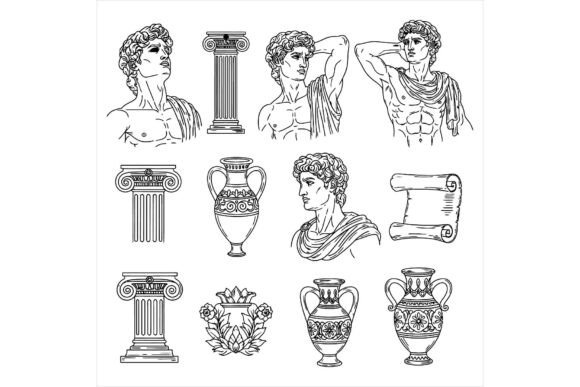
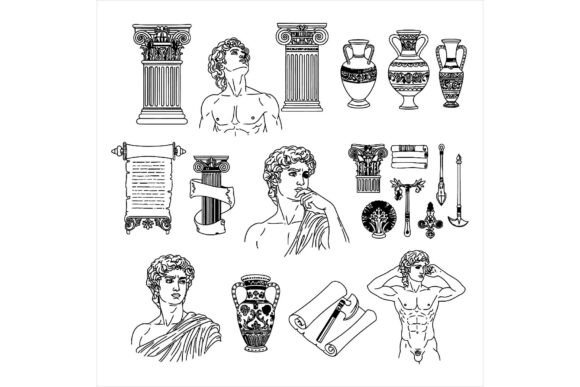
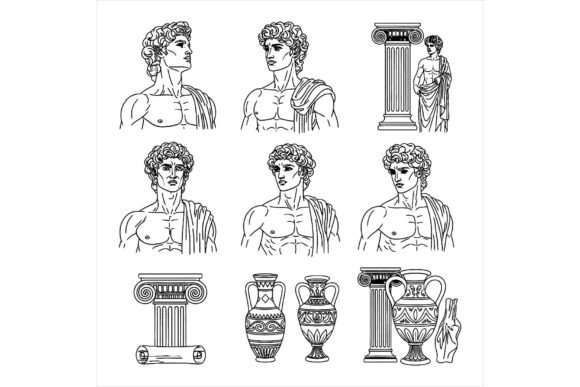
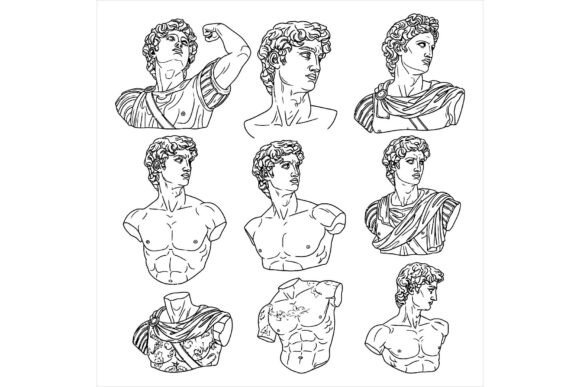
The initial encounter with the Collection of Ancient Greek Busts reveals a striking balance between historical reverence and modern minimalism. The visual elements feel curated rather than cluttered, offering a clean, monochromatic aesthetic that immediately elevates the perceived value of any composition. These are not merely clipart; they are refined graphic design assets that evoke a sense of permanence and elegance. The mood is distinctly academic yet accessible, making it an ideal fit for projects targeting educated demographics or brands wishing to convey heritage and trustworthiness.
For brand owners and marketers, this style represents a departure from the overly saturated, trendy visuals dominating social media feeds. It offers a breath of visual calm. Whether you are a blogger looking to add gravitas to editorial content or a small business owner aiming to distinguish your Etsy product from mass-produced competitors, these busts provide a sophisticated anchor. The style is versatile enough to complement both serif and sans serif typography, allowing for flexible integration into various brand identities.
Performance in Real Design Situations
In my recent project, the primary challenge was creating packaging design that stood out on crowded shelves while maintaining a minimalist appeal. The Collection of Ancient Greek Busts proved invaluable here. I utilized one of the central bust illustrations as the hero graphic on the product label. Because the lines were crisp and the silhouette distinct, it scaled beautifully from a small sticker design on sample jars to large-format posters for in-store displays.
Beyond packaging, these assets excel in digital applications. For social media graphics, particularly Instagram posts and Pinterest pins, the high contrast of the black-and-white busts against pastel or neutral backgrounds creates immediate visual stop-power. I have also found them effective in web design, where they serve as engaging section dividers or background elements that do not compete with primary call-to-action buttons. For Cricut users and crafters, the potential is equally robust. These designs translate well into vinyl cutouts for tote bags, mugs, and home decor items, appealing to the growing market for classical-inspired handmade goods.
Marketing visuals benefit significantly from the emotional appeal of these images. They suggest wisdom, beauty, and endurance. When used in email headers or blog visuals, they help establish a tone of authority. For print-on-demand sellers, this collection offers a ready-made niche. T-shirt designs featuring classical art have seen a resurgence, and these busts provide a clean, copyright-safe alternative to using public domain photographs that may lack the necessary resolution or stylistic consistency.
Strategic Placement and Layout Considerations
Understanding where to place these assets is crucial for maintaining visual hierarchy. The Collection of Ancient Greek Busts works best in large layout areas where the intricate details of the sculpture can be appreciated. They serve excellently as hero graphics on landing pages or as focal points in editorial design spreads. In packaging design, they act as strong decorative accents that draw the eye without overwhelming the product information.
However, designers must exercise caution. These assets should be used carefully in small sizes, such as favicon icons or tiny footnotes, where detail loss can render the image muddy. Avoid placing them on complex backgrounds or low-contrast designs, as the subtle shading of the busts may disappear. Furthermore, while they suit creative and lifestyle brands, they may feel out of place in strict corporate materials or highly technical industries where a more abstract or geometric visual language is preferred. Minimalist branding benefits from these busts, but only if ample white space is provided to let the illustration breathe.
Impact on Brand Perception and Readability
The inclusion of classical imagery affects more than just aesthetics; it influences brand consistency and visual trust. When audiences see well-executed classical art, they subconsciously associate the brand with quality and longevity. This emotional appeal enhances audience engagement, as viewers are drawn to the familiar yet elevated style. However, readability must remain a priority. Ensure that text placed near or over these illustrations maintains sufficient contrast. I recommend pairing these busts with clean, modern display fonts or elegant script fonts to create a dynamic tension between old and new.
Professionalism is heightened when assets are used intentionally. Randomly scattering clipart can cheapen a design, but strategically positioning a single, powerful bust from this collection can define a brand’s visual identity. It signals that the designer has considered the historical weight and artistic merit of the element, thereby increasing the overall impression of the project.
Practical Designer Notes and Technical Checks
Before committing to any commercial design project, thorough testing is essential. Here are my recommended steps for evaluating the Collection of Ancient Greek Busts:
- Test in Black and White: Ensure the asset holds its form without color reliance, which is critical for cost-effective printing and monochrome branding applications.
- Check Contrast: Preview the illustrations on both light and dark backgrounds to verify visibility and impact.
- Scale Testing: Resize the asset to extreme small and large dimensions to check for pixelation or loss of detail, ensuring it works for both business cards and billboards.
- Mockup Integration: Place the design on real product mockups, such as mugs, tote bags, or packaging boxes, to gauge real-world appearance.
- File Format Review: Inspect PNG transparency for clean edges and check SVG or vector editability if you plan to modify shapes or colors for specific brand palettes.
- Typography Pairing: Experiment with serif, sans serif, and handwritten fonts to find the optimal typographic harmony.
- Licensing Verification: Always confirm the commercial license terms before using the asset for client work or selling printed products to avoid legal issues.
For those operating in the creative marketplace, whether selling digital products like Canva templates or physical items via print-on-demand services, this collection offers a reliable foundation. It supports sublimation design techniques effectively due to its clear lines and high contrast. By treating these illustrations as premium design assets rather than generic clipart, you can elevate your creative output and deliver superior results for your clients.
In conclusion, the Collection of Ancient Greek Busts is a potent tool for designers seeking to infuse their work with classical elegance. When used with intention and technical precision, it enhances brand identity, improves visual hierarchy, and creates a lasting impression of quality. Whether for a small business branding overhaul or a large-scale marketing campaign, these illustrations offer the timeless appeal necessary to stand out in today’s saturated visual landscape.